Climate Change Is Becoming More Real! Here Are the Threats to Future Generations
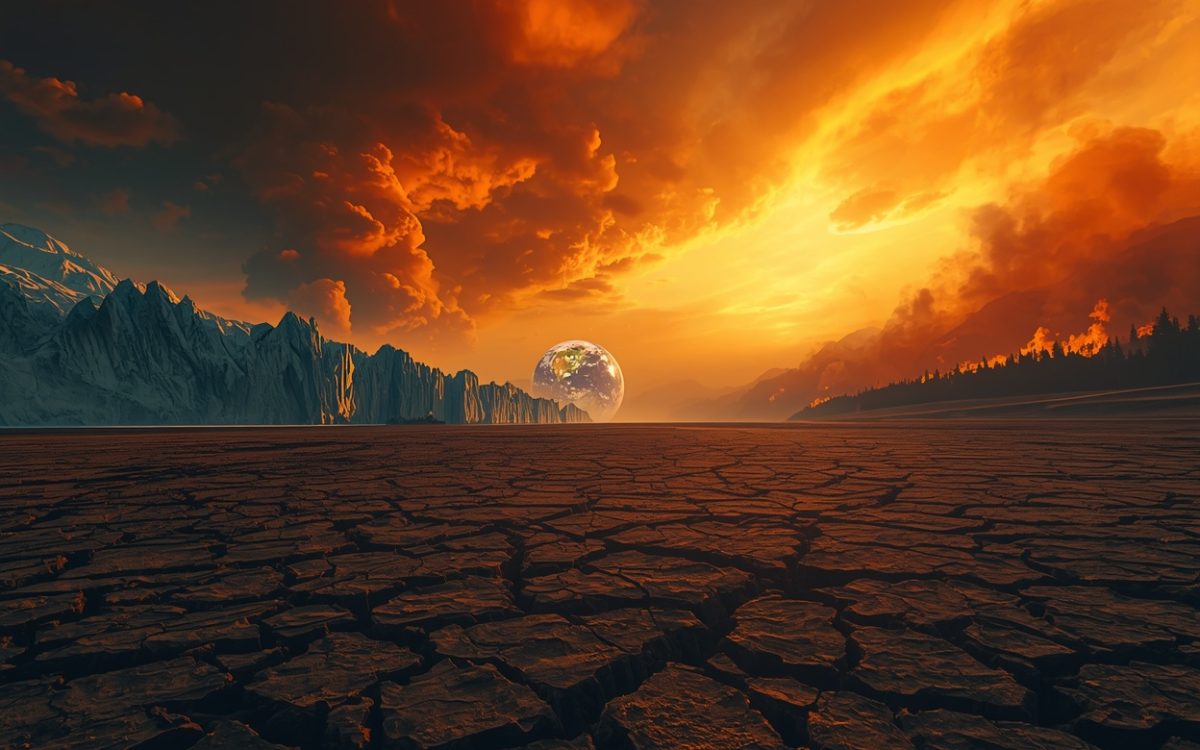
Climate change is no longer just a topic scientists talk about or something we see in documentaries. It’s happening right now, and we’re already feeling its impact. From crazy heatwaves to massive floods, the planet is sending us some serious warning signs.
But here’s the scary part: future generations might face even bigger problems if we don’t start taking action today. The world our children and grandchildren will live in depends heavily on the choices we’re making right now.
So, what exactly should we be worried about? Let’s break it down!
Extreme Weather Could Become the New Normal
Ever noticed how the weather seems more unpredictable these days? Some places experience unbearable heat, while others deal with heavy rainfall, storms, and devastating floods.
Climate change increases the risks of many extreme weather events, making communities more vulnerable to natural disasters. For future generations, this could mean living with more dangerous heat, stronger climate-related risks, and greater challenges when rebuilding after disasters.
Imagine growing up in a world where extreme weather constantly disrupts your daily life. Definitely not the future anyone wants!
Food and Water Could Become Harder to Access
Here’s something people often overlook: climate change doesn’t just affect the environment. It also affects what’s on our dinner tables.
Rising temperatures, droughts, floods, and changing rainfall patterns can damage agricultural production. Farmers may struggle to grow crops, while livestock and fisheries can also suffer.
As food production becomes more vulnerable, prices could rise and certain communities might struggle to access nutritious meals.
Clean water is another major concern. Longer droughts and changing weather patterns can reduce water availability, making everyday activities like drinking, cooking, and farming more challenging.
Rising Sea Levels Threaten Coastal Communities
For people living near the ocean, rising sea levels are a pretty serious issue.
As glaciers and ice sheets lose mass and ocean water expands as it warms, sea levels continue to rise. This increases the risk of coastal flooding, erosion, and damage to homes and infrastructure.
Future generations living in low-lying coastal areas could face difficult choices, including relocating their homes and communities.
Imagine having to leave the place where you grew up because the coastline is no longer safe. That’s a reality we shouldn’t ignore.
Human Health Could Be at Greater Risk
Climate change isn’t just about hotter temperatures or melting ice. It’s also a major public health concern.
Extreme heat can increase the risk of heat-related illnesses, especially among children, older adults, and people with existing health conditions. Changes in temperature and rainfall can also influence the spread of certain infectious diseases.
On top of that, climate-related disasters can affect mental health. Losing a home, experiencing a flood, or worrying about an uncertain future can create long-term stress and anxiety.
Basically, a warmer planet can mean a tougher environment for people to stay healthy.
Wildlife and Natural Ecosystems Are in Danger
Our planet is home to millions of species, but climate change is putting many of them under pressure.
Rising ocean temperatures, habitat destruction, changing seasons, and extreme weather can make survival harder for wildlife. Coral reefs, forests, and other important ecosystems are particularly vulnerable.
When ecosystems become damaged, humans also feel the consequences. Nature provides clean air, fresh water, food, and countless resources that support everyday life.
Losing biodiversity isn’t just an environmental problem. It’s a problem for everyone’s future.
Up Next: https://bakehousekandy.com/bitcoin-2027-the-great-reset-the-4-year-cycle-is-changing/
What Can We Do to Protect Future Generations?
Okay, climate change sounds pretty overwhelming. But that doesn’t mean we’re completely powerless.
Small actions can contribute to a bigger movement when more people get involved. Here are a few ways to start:
- Save energy: Turn off unused lights and choose energy-efficient appliances.
- Reduce plastic waste: Bring reusable bags and bottles whenever possible.
- Choose greener transportation: Walk, cycle, or use public transportation when practical.
- Be mindful of food waste: Buy what you need and avoid throwing away perfectly good food.
- Support environmental initiatives: Encourage sustainable policies and businesses that take climate action seriously.
Individual actions matter, but governments and industries also need to make major changes to reduce greenhouse gas emissions.
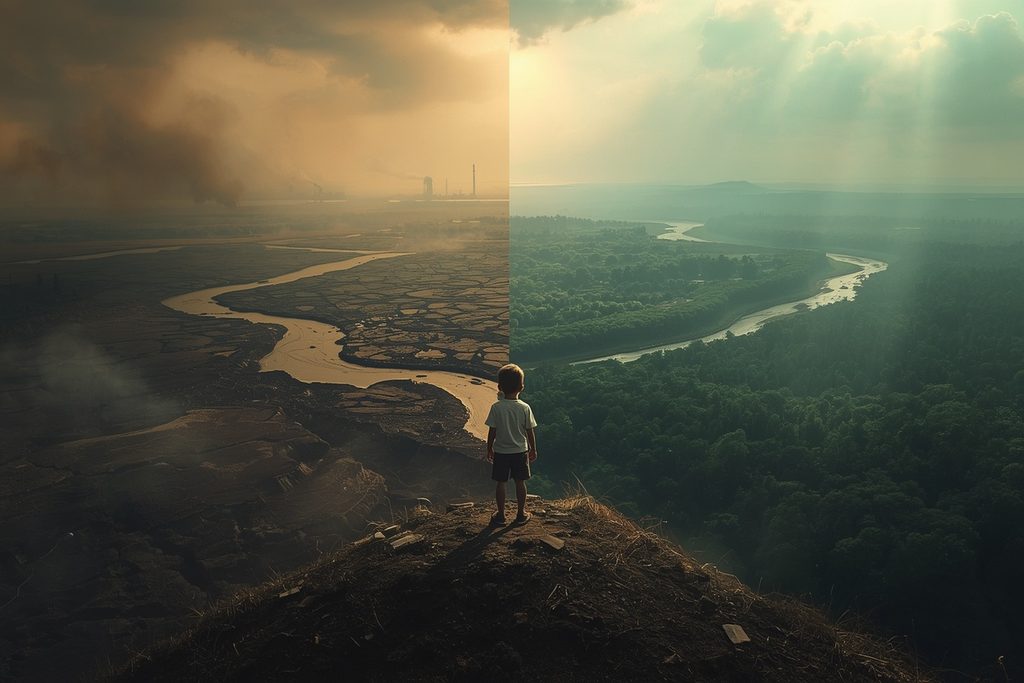
Climate change is not some distant problem waiting for the next generation. It’s already shaping the world we live in today.
Future generations deserve clean air, safe communities, reliable food supplies, and a healthy planet to call home. Protecting those things starts with the decisions we make now.
We don’t need to become environmental experts overnight. We just need to care enough to make better choices and push for meaningful change.
Remember, we don’t inherit the planet from our ancestors; we borrow it from future generations. Let’s make sure they still have a beautiful world to live in!